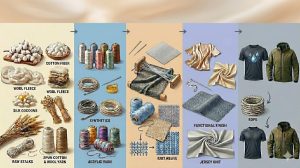
In the modern world, fashion is often viewed through the lens of aesthetics and self-expression. However, clothing serves a much more intimate purpose: it is our “second skin,” in constant contact with our largest organ 24 hours a day. From petroleum-based fibers to carcinogenic dyes, “toxic fabrics“ have become a silent presence in our closets, posing risks not only to the environment but to our endocrine systems, respiratory health, and long-term well-being.
Understanding these hidden threats is not a call for alarm, but an invitation to reclaim our power as consumers. By learning to decode the labels and prioritize sustainable alternatives, we can transition toward a wardrobe that nourishes our health and protects the planet.
Common Toxic Fabrics in Your Closet
To build a safer wardrobe, one must first recognize the synthetic materials that dominate the current market. These fabrics are often preferred by major corporations for their low cost and versatility, but they carry significant biological and ecological prices.
Petroleum-Based Synthetics: Polyester and Nylon
Polyester and nylon are the undisputed titans of the fashion world, yet they are essentially plastic derived from petroleum. Because they are synthetic, these fibers lack the breathability of natural materials. They are hydrophobic, meaning they do not absorb water, but they easily trap sebum, sweat, and organic matter. This creates a perfect breeding ground for bacteria like Staphylococcus aureus, which can lead to skin infections, persistent odors, and dermatological irritation.
Furthermore, these fabrics are a primary source of microplastics; a single wash can release thousands of tiny fibers that eventually find their way into our food chain, lungs, and even human blood.
The Hidden Dangers of Elastane (Spandex) and Acrylic
Elastane, commonly known as spandex or Lycra, is celebrated for the stretch it provides in activewear and leggings. However, research has revealed that many products containing these synthetic blends harbor Bisphenol A (BPA), a potent endocrine disruptor. BPA can mimic or block natural hormones, potentially leading to reproductive issues and developmental disorders.
Acrylic, another petroleum-based fiber, is often treated with various chemical stabilizers and is notorious for its chemical-intensive production process, which creates nitrous oxide—a greenhouse gas 300 times more potent than carbon dioxide.
Conventional Cotton and Semi-Synthetics
Even natural-looking fibers can be deceptive. Conventional cotton is one of the world’s most chemically dependent crops. Although it covers only 2.4% of global cultivated land, it consumes 6% of the world’s pesticides and 16% of its insecticides. These toxic residues can persist in the finished fabric, causing irritation for those with sensitive skin.
Similarly, semi-synthetics like Rayon and Viscose, while derived from wood pulp, are processed using highly toxic solvents that endanger both factory workers and local ecosystems through water contamination and deforestation.
The scientific points discussed in this article are synthesized and analyzed based on an in-depth medical document. To better understand the research foundation as well as the evidence regarding the health impacts of chemicals in the fast fashion industry, please refer to the full text of the following source document: The Health Impact of Fast Fashion: Exploring Toxic Chemicals in Clothing and Textiles | MDPI
How Chemicals Infiltrate the Production Chain
The infiltration of hazardous substances into our clothing occurs at every stage of the globalized supply chain, often masked by a lack of transparency.
- Agriculture and Fiber Extraction: For natural fibers, the toxicity begins in the fields with the heavy application of pesticides and herbicides. For synthetics, it starts with the extraction of crude oil and the intensive chemical refining required to create plastic polymers.
- The Chemical Intensity of Dyeing and Finishing: The dyeing process is responsible for approximately 20% of global clean water pollution. To achieve vibrant, lasting colors, manufacturers often utilize Azo dyes, which can break down into carcinogenic aromatic amines when they come into contact with human sweat and bacteria on the skin. Heavy metals such as lead, cadmium, and mercury are frequently used as stabilizers to prevent color degradation, yet they can accumulate in human organs over time, leading to cognitive and developmental risks.
- Functional Treatments – The Price of Convenience: The final stage of production often involves “finishing” treatments to give fabrics desirable traits. Formaldehyde is a common additive used to prevent wrinkles and mildew, but it is a known carcinogen that causes respiratory issues and allergic reactions. PFAS (per- and polyfluoroalkyl substances), often called “forever chemicals,” are used for waterproofing and stain resistance in everything from school uniforms to outdoor gear. These compounds are exceptionally persistent in the body and environment, linked to immune suppression and thyroid dysfunction.
Sustainable Fabric Solutions
The most effective way to reduce exposure to these toxins is to transition toward high-quality, natural materials that require fewer chemical interventions.
- Choosing Natural and Organic Fibers: Experts often recommend five natural fibers: organic cotton, linen, hemp, silk, and wool. Organic cotton (certified by GOTS) is grown without toxic pesticides, making it safer for the skin and the farmers. Linen and hemp are environmental heroes; they are durable, naturally pest-resistant, and require significantly less water than conventional cotton. Silk and wool offer natural temperature regulation and breathability, and because they are protein-based, they are fully biodegradable at the end of their lifecycle.
- Innovations in Closed-Loop Fibers: For those who prefer the feel of silk or rayon, Tencel (Lyocell) offers a sustainable alternative. It is produced from sustainably sourced wood pulp in a closed-loop process where more than 99% of the amine oxide solvent is recovered and reused. This significantly reduces chemical waste and water consumption compared to traditional viscose or cotton production.
Consumer Empowerment Guide: A Practical Blueprint for Change
Detoxing your wardrobe does not require an overnight overhaul. It is a journey of making more informed, conscious choices with every new purchase.
- Decoding Labels and Certifications: The most powerful tool for a consumer is the ability to read a label beyond the price tag. Look for third-party certifications that guarantee safety and ethical standards. The Global Organic Textile Standard (GOTS) ensures that at least 70-95% of the fibers are organic and that no toxic dyes or heavy metals are used. Oeko-Tex Standard 100 tests the finished product for hundreds of harmful substances, ensuring it is safe for human health. Bluesign focuses on the entire supply chain, ensuring that chemicals used in the manufacturing process are managed responsibly to protect workers and the environment.
- Smart Maintenance and Laundering Habits: How we care for our clothes is just as important as what we buy. Always wash new clothes before wearing them; this simple step can remove significant amounts of residual formaldehyde, excess dyes, and finishing agents. Additionally, washing at lower temperatures (30-40°C) with eco-friendly detergents can reduce fiber shedding while still maintaining hygiene when combined with proper mechanical agitation.
- Avoiding Marketing Traps and Prioritizing Quality: Be wary of garments marketed as “wrinkle-free,” “stain-resistant,” or “anti-odor”. While convenient, these labels often indicate heavy chemical processing with PFAS or formaldehyde. Instead, embrace the natural texture of fabrics like linen. Adopting a “quality over quantity” mindset—perhaps by creating a capsule wardrobe—allows you to invest in fewer, better-made pieces from ethical brands.
Conclusion
Achieving a toxic-free fashion future is a shared responsibility between policymakers, manufacturers, and consumers. While the scale of chemical use in the textile industry is daunting, our individual choices act as a vote for the world we want to live in . By prioritizing natural fibers, demanding transparency through certifications, and adopting better garment care habits, we protect our bodies from the silent threat of toxic fabrics.
Note: This article is intended for educational purposes and does not constitute medical advice.
TANI THREAD CO., LTD
- Address: Thanh Hoa Hamlet, Thanh Dien Commune, Chau Thanh District, Tay Ninh Province, Vietnam
- Hotline: 0984.841.239
- Email: sale@tanithread.com
- Website: tanithread.com
- Fanpage: Tani Thread