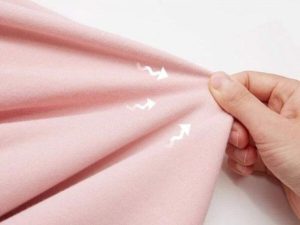
Elastane (commonly known as spandex or Lycra®) is a cornerstone of modern apparel, prized for its exceptional stretch and recovery. Found in everything from high-performance sportswear and comfortable underwear to everyday denim and shapewear, it adds comfort and fit to our wardrobes.
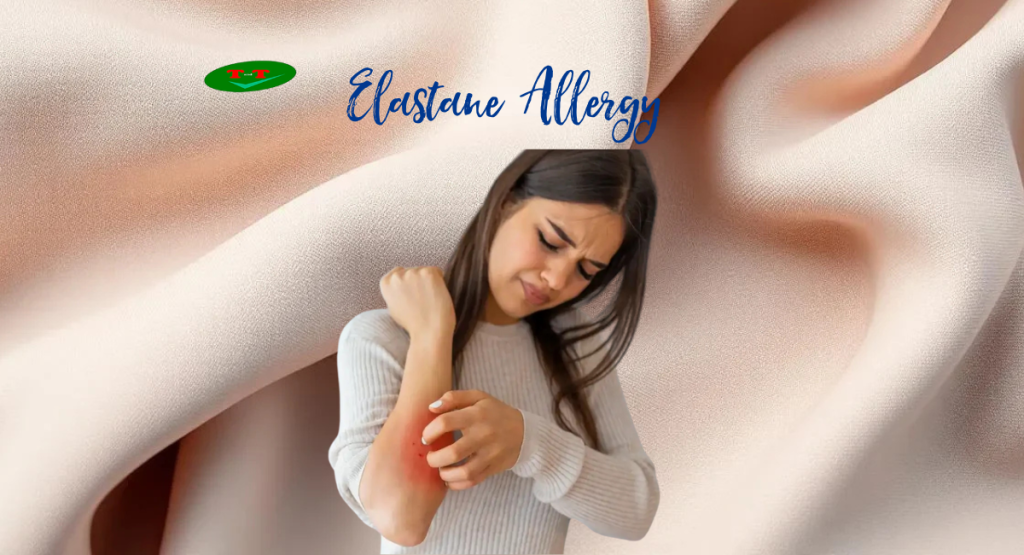
While elastane is generally considered safe for most people, a growing number of individuals report skin reactions they attribute to an elastane allergy. This condition, often characterized by itching, redness, or rashes where tight clothing makes contact, can cause significant discomfort. Crucially, a true allergic reaction to the elastane polymer itself is rare. More often, symptoms are triggered by the chemicals, dyes, or auxiliary components used alongside elastane in fabric production.
This article demystifies elastane-related skin reactions, helping you identify causes, recognize symptoms, explore treatment options, and, most importantly, make informed choices about textile materials to protect sensitive skin.
Causes of Elastane Allergy and Skin Reactions
It is essential to understand that a true, immune-system-mediated allergy to the pure elastane (polyurethane) fiber is extremely uncommon. When people experience an “elastane allergy” the reaction is typically part of a broader condition known as textile dermatitis or allergic contact dermatitis to clothing. This is an inflammatory skin reaction triggered not by the elastane fiber itself, but by the various chemical agents and additives used during the manufacturing and finishing of stretch fabrics.
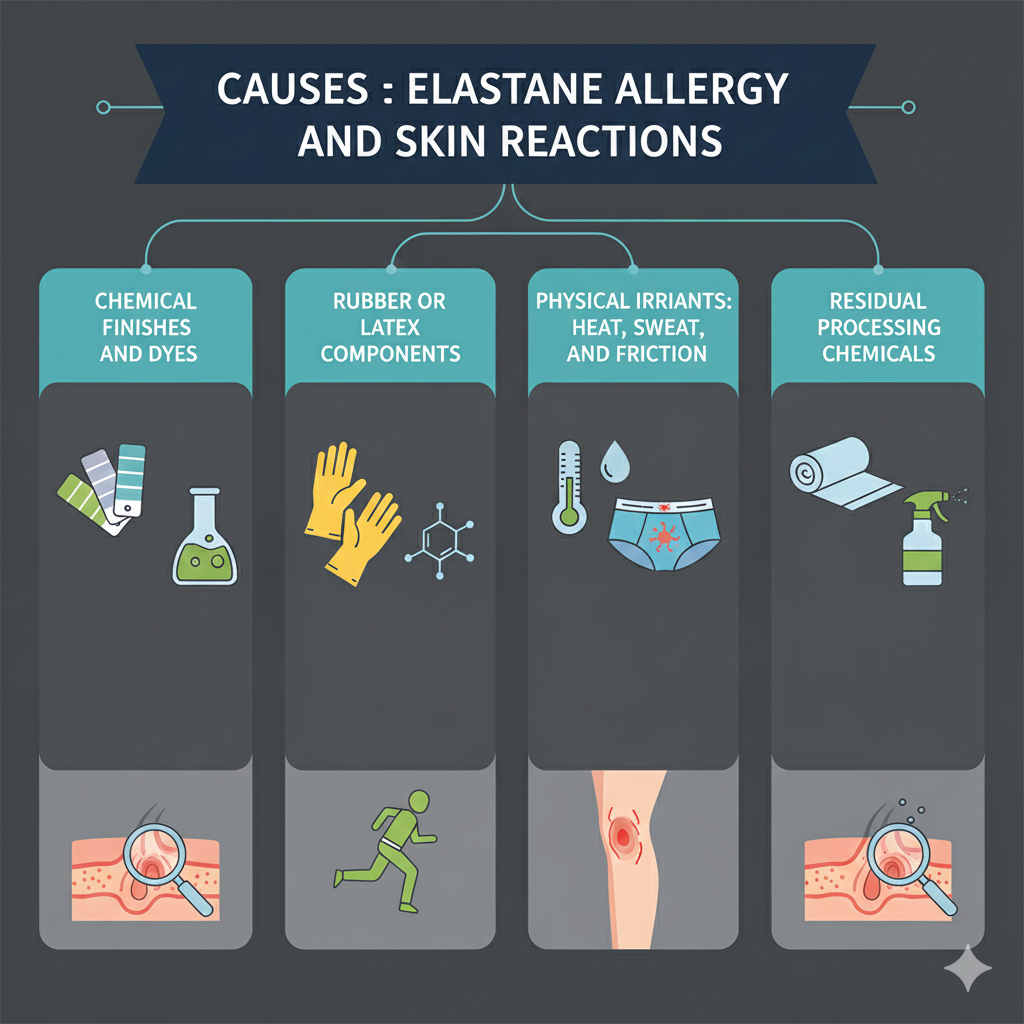
The key factors that commonly cause these skin reactions include:
- Chemical Finishes and Dyes: Textiles undergo numerous chemical processes. Disperse dyes—commonly used to color synthetic fibers like polyester and nylon in blends—are a leading cause of textile dermatitis. Formaldehyde-based resins (used for wrinkle resistance), softeners, and biocides (anti-odor treatments) can also remain as residues on the fabric and irritate the skin.
- Rubber or Latex Components: Many garments with elastane content incorporate natural rubber latex (NRL) in elastic trims, waistbands, cuffs, or stitching threads for added hold. An allergy to latex proteins is well-documented and can be severe. Reactions to rubber accelerators and antioxidants (chemicals like thiurams and mercaptobenzothiazole used in vulcanization) are also very common.
- Physical Irritants: Heat, Sweat, and Friction: Tight-fitting elastane-blend clothing creates an occlusive environment. This traps heat and sweat against the skin, disrupting its natural barrier. Combined with the constant friction from movement, this physical irritation can lead to or exacerbate a condition called irritant contact dermatitis, which mimics allergic symptoms.
- Residual Processing Chemicals: Chemicals used in spinning, heat-setting, or fabric finishing may not be fully washed out during production, leaving trace amounts that sensitive skin can react to upon prolonged contact.
In summary, when investigating a suspected elastane allergy, the focus should shift from the elastane fiber to the chemical companions and physical conditions associated with the garment.
Individuals More Likely to Experience Elastane Allergy
Certain groups are at a higher risk of developing skin reactions from elastane-blended textiles:
- People with Pre-Existing Skin Conditions: Individuals with a history of atopic dermatitis (eczema), sensitive skin, or previous textile or chemical allergies have a compromised skin barrier, making them more susceptible to irritants and allergens.
- Individuals with Latex or Rubber Allergy: Anyone diagnosed with a latex allergy is highly likely to react to garments that contain rubber-based elastics, which are frequently paired with elastane fabrics for structure and fit.
- Occupational Exposure: Workers in textile manufacturing, garment production, or fashion retail who regularly handle unprocessed fabrics, dyes, and chemical agents may develop sensitivity over time.
- Active Wearers of Tight-Fitting Garments: Consumers who frequently wear high-elastane, form-fitting clothing—such as athletes in compression gear, individuals wearing shapewear daily, or those preferring tight leggings and jeans—prolong skin exposure to potential irritants under occlusive conditions.
Symptoms of Elastane Allergy
The symptoms of a textile-related skin reaction are typically localized to areas where the fabric is in direct, snug contact with the skin. Common signs include:
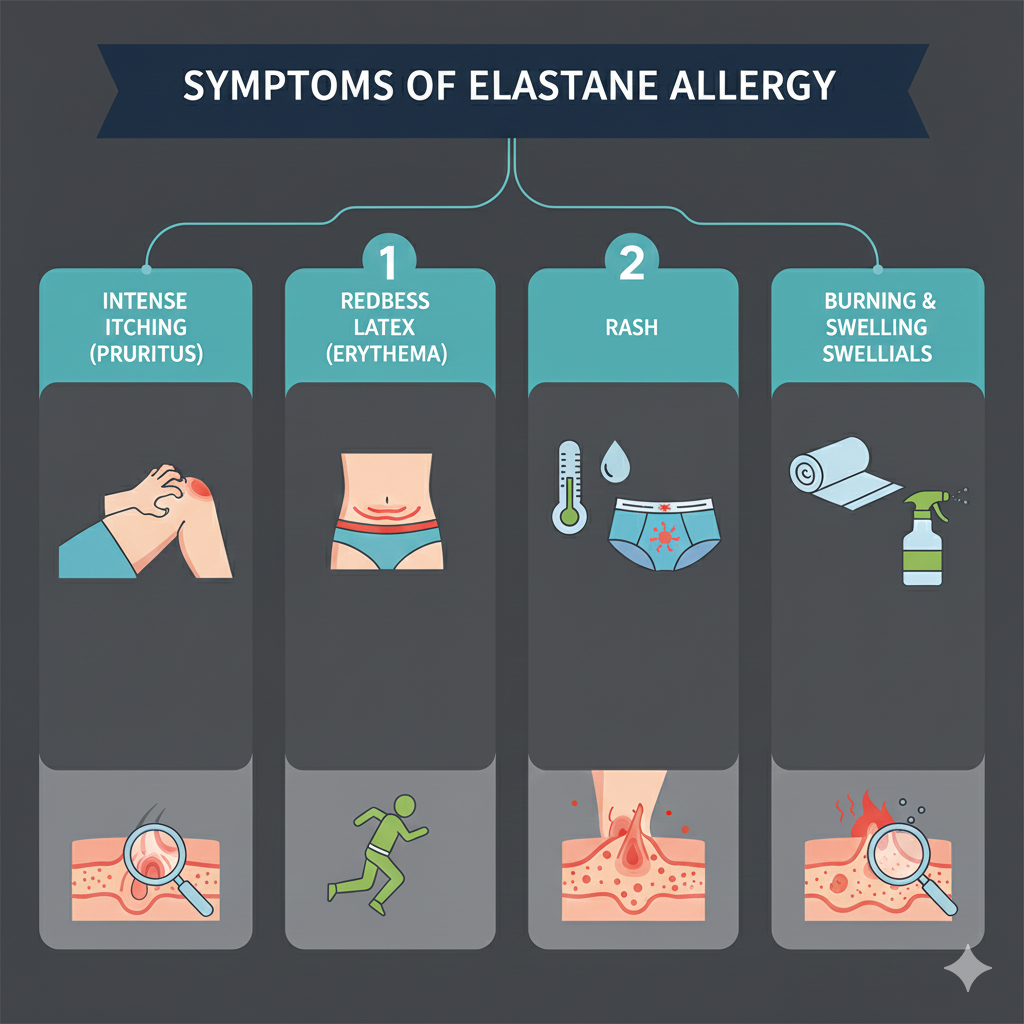
- Intense Itching (Pruritus): A persistent, uncomfortable itch in the affected area, such as the waistline, thighs, underarms, or behind the knees.
- Redness (Erythema): Visible red patches that mirror the shape of garment edges, like a waistband or bra strap.
- Rash: This can range from small, raised bumps (papules) to more widespread, inflamed patches of skin. In severe cases, blisters or dry, scaly skin may develop.
- Burning or Stinging Sensation: A feeling of heat or discomfort on the skin.
- Mild Swelling: The affected skin may appear slightly puffy.
Symptoms often worsen with prolonged wear, heat, and sweating. It’s important to note that these symptoms are nearly identical whether the cause is a true allergen (like a dye) or an irritant (like friction from a tight seam). The pattern—clearly corresponding to clothing contact—is a key diagnostic clue for dermatologists.
Identifying the Cause Behind Elastane Allergy (Simplified Diagnostic Steps)
If you suspect your skin reacts to stretch clothing, a logical, step-by-step approach can help identify the culprit:
- Garment Review: When a flare-up occurs, examine the garment carefully. Check the fabric content label for the elastane percentage and other fibers. Note the presence of thick elastic bands, labels, or specific areas (like seams) where the reaction is strongest.
- The Elimination Test: The most practical diagnostic tool is to switch to a suspected “safe” alternative. Wear loose-fitting clothing made of 100% undyed, unbleached, organic cotton for several days. If symptoms clear up significantly, it strongly suggests a reaction to something in your usual attire.
- Professional Patch Testing: For persistent or severe reactions, consult a dermatologist. They can perform patch testing, where small amounts of common allergens (including textile dyes, rubber accelerators, formaldehyde, and other resins) are applied to your back. This medical test can definitively identify the specific chemical causing your allergic contact dermatitis.
The practical takeaway remains: in the vast majority of cases, the elastane fiber is not the villain. The reaction is triggered by chemical additives, dyes, or rubber components within the garment’s ecosystem.
Treatment Options for Elastane Allergy
Managing a skin reaction involves immediate care and professional guidance for persistent issues.
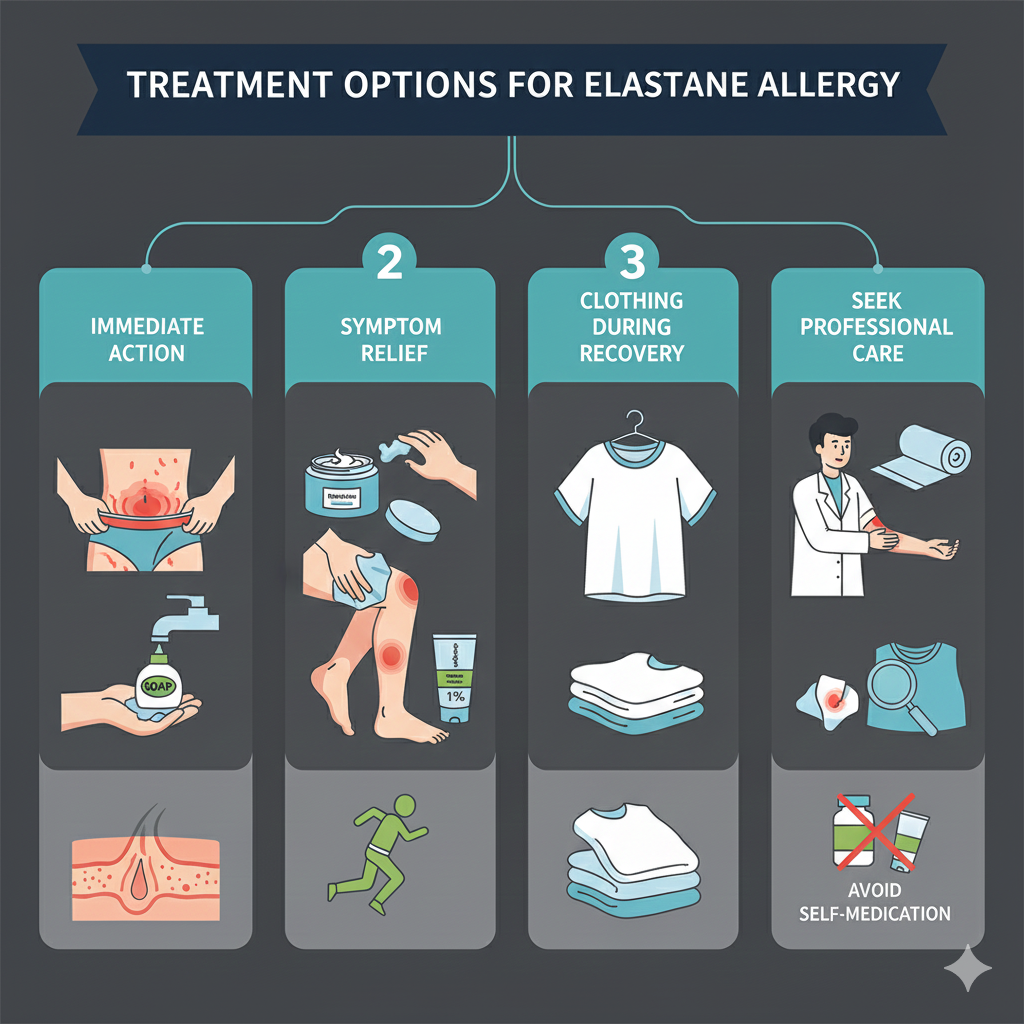
- Immediate Action: Remove the offending garment immediately. Gently cleanse the area with lukewarm water and a mild, fragrance-free cleanser. Allow the skin to breathe.
- Symptom Relief: Apply a bland, soothing moisturizer or emollient to help repair the skin barrier. For mild inflammation, a non-prescription hydrocortisone cream (1%) used sparingly for a few days may provide relief. Cool compresses can help reduce itching and redness.
- Clothing During Recovery: Wear loose, soft, natural-fiber clothing (like cotton) to minimize further friction and irritation while your skin heals.
- Seek Professional Care: If symptoms are severe, widespread, blistered, or do not improve within a few days of removing the suspect clothing, consult a dermatologist or healthcare provider. They may prescribe stronger topical corticosteroids or other medications to control the inflammation.
- Avoid Self-Medication: Do not use potent steroid creams or oral medications without a doctor’s advice, as improper use can lead to skin thinning and other side effects.
Preventive Measures and Fabric-Choice Recommendations
Prevention is the most effective strategy for managing sensitivity to textile chemicals. Making informed fabric choices can drastically improve skin comfort.
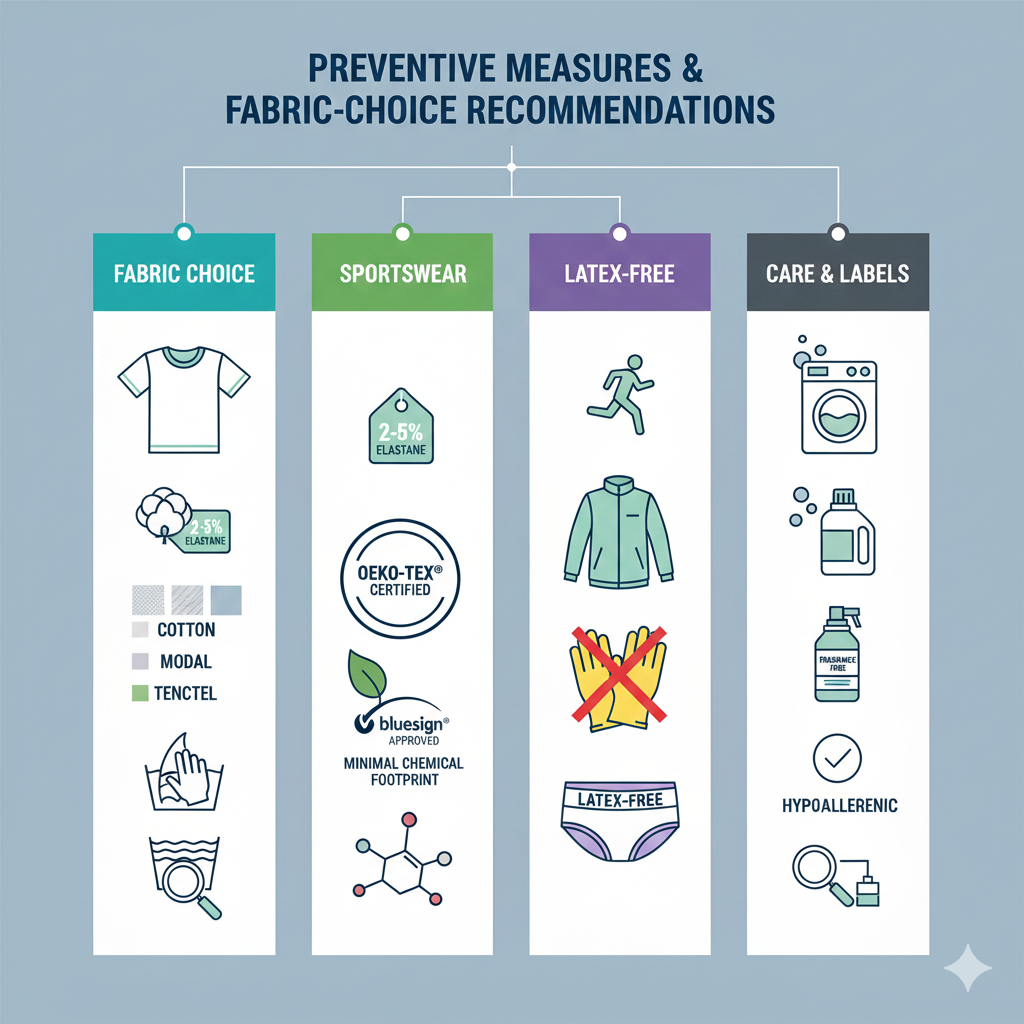
- Opt for Lower Elastane or Elastane-Free Alternatives: For base layers and everyday wear, choose garments with a lower percentage of elastane (e.g., 2-5% instead of 15-20%). Explore comfortable, stretchy alternatives like cotton jersey, Tencel lyocell, modal, or bamboo blends, which often rely on the fabric’s knit structure for stretch rather than high elastane content.
- Choose Sportswear Wisely: For athletic wear, look for brands that use moisture-wicking synthetics with OEKO-TEX® or bluesign® certification, which limit harmful residues. Garments labeled as having a “minimal chemical footprint” are preferable.
- Eliminate Latex: If you have a known or suspected latex allergy, avoid all clothing with rubber/latex elastic. Look for items explicitly labeled “latex-free”; these will use synthetic elastane or other polymers for stretch.
- Pre-Wash New Garments: Always wash new clothing before first wear using a fragrance-free, dye-free detergent. This helps remove a significant portion of residual finishing chemicals and loose dyes.
- Seek Trusted Labels: Prioritize products labeled “hypoallergenic,” “sensitive skin,” “dye-free,” or with credible eco-certifications. These are less likely to contain common irritants.
- Demand Transparency: Support brands that provide detailed material specifications and transparent supply chains, especially for intimate apparel and items worn for extended periods.
FAQs
Can you be allergic to elastane?
A true allergy to the pure elastane polymer is very rare. Most reactions labeled as “elastane allergy” are allergic or irritant contact dermatitis caused by chemicals, dyes, or rubber components used alongside elastane in garments.
What causes an allergy to elastane?
The primary causes are chemical dyes (especially disperse dyes), formaldehyde-based finishes, rubber accelerators in elastic trims, and other processing residues. Physical factors like tight fit, heat, and friction also contribute.
What does an elastane allergic reaction look like?
It typically appears as an itchy, red rash precisely where tight clothing makes contact (e.g., waistband, thighs, underarms). It may include bumps, a burning sensation, or mild swelling.
Does elastane have latex in it?
No. Pure elastane (spandex) is a synthetic polyurethane fiber and does not contain natural rubber latex. However, garments containing elastane often use natural rubber latex in separate elastic trims, waistbands, or threads, which can be problematic for those with a latex allergy.
Is elastane bad for skin?
For most people, no. However, for individuals with sensitive skin or specific chemical allergies, the additives in elastane-blend fabrics can cause irritation. The tight, occlusive nature of such garments can also trap sweat and bacteria, potentially worsening skin conditions like folliculitis.
How can I avoid elastane allergy in daily clothing choices?
Focus on prevention: choose lower-elastane or natural stretch fabrics, pre-wash all new clothes, avoid latex-containing elastics, opt for certified hypoallergenic brands, and wear looser-fitting garments whenever possible.
Conclusion
Navigating skin sensitivities in a world of stretch fabrics requires a shift in perspective. The term “elastane allergy” is often a misnomer, pointing not to the elastic fiber itself but to the complex chemical landscape of modern textile production. By understanding that reactions are more likely caused by dyes, finishing agents, or latex components, you can become a more empowered consumer.
The key to comfort lies in mindful fabric choices—opting for certified, low-chemical, and transparently labeled products—and simple preventive habits like pre-washing.
If symptoms persist, professional dermatological advice is invaluable for accurate diagnosis and treatment. Ultimately, with the right knowledge and selections, you can enjoy the benefits of comfortable, flexible clothing without compromising your skin’s health.
Your commitment to quality apparel deserves a foundation of safe, reliable yarn. Partner with Tani Thread for yarns manufactured with precision and a focus on skin safety. Contact our specialists today and let’s build better, gentler garments together.
TANI THREAD CO., LTD
- Address: Thanh Hoa Hamlet, Thanh Dien Commune, Chau Thanh District, Tay Ninh Province, Vietnam
- Hotline: 0984.841.239
- Email: sale@tanithread.com
- Website: tanithread.com
- Fanpage: Tani Thread