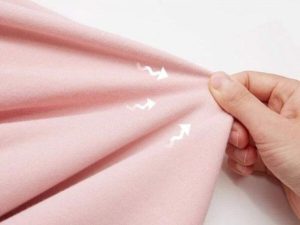
In the modern apparel industry, spandex fiber (also known as elastane or Lycra) has become an indispensable component. It provides the essential stretch, comfort, and shape retention required for a wide range of products, from high-performance activewear and swimwear to intimate apparel.
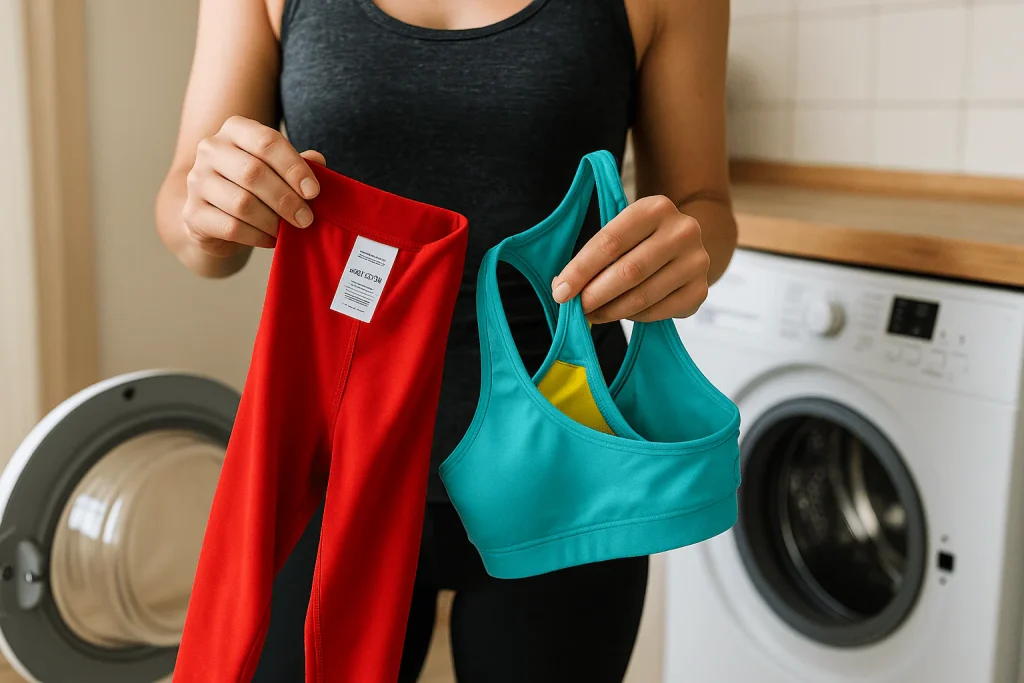
Maintaining the durability of spandex-blended garments involves more than just removing stains; it is a technical process of preserving the fabric’s functional integrity. Proper maintenance ensures the garment retains its ‘elastic memory’ preventing sagging or permanent deformation even after extensive use. Furthermore, a standardized care routine protects color vibrancy and preserves integrated performance technologies, such as moisture-wicking or antimicrobial finishes, on the fabric surface.
This guide provides professional insights into the factors that damage spandex fibers, essential pre-wash preparation, and how to wash spandex garments properly using room-temperature water, safe drying methods, and common pitfalls to avoid.
Why Spandex Requires Specialized Washing Care
Spandex, or elastane, is a synthetic fiber derived from polyurethane polymers. Its unique molecular chain structure allows the fiber to achieve extraordinary stretch and recovery. However, this polymer is inherently sensitive to high temperatures and aggressive chemical reactions. Without a specialized care regimen, these molecular chains progressively break down, leading to an irreversible loss of the garment’s original shape-recovery power.
Additionally, physical friction directly impacts the “handfeel” and tactile characteristics of the fabric. From a technical standpoint, when spandex fibers undergo intense abrasion against rough surfaces, the protective outer sheath can be compromised, or the delicate elastic core may snap. This not only results in pilling but also destroys the signature smoothness and suppleness of the fabric, causing it to feel coarse and uncomfortable against the skin.
Ideal Washing Methods for Spandex Garments
To safeguard the superior technical properties of the fibers, the washing process must be conducted scientifically, starting from the initial preparation. Effective control of temperature, chemical agents, and mechanical stress is essential to maintain the tensile strength and shape recovery of the garment.
Pre-Wash Preparation for Washing Spandex
Thorough preparation is the first and most critical step in ensuring that garments remain undamaged throughout the cleaning cycle.
- Check the Care Label: Always prioritize the original manufacturer’s instructions on the care label to determine the optimal technical specifications. Different blends, such as cotton-spandex or polyester-spandex, have specific requirements for water temperature and washing cycles to protect their unique polymer structures. Adhering to these guidelines prevents serious risks like melting the elastic fibers or causing unnecessary shrinkage. This remains the most accurate source of information for extending the lifespan and performance of premium apparel.
- Turn Garments Inside Out: This is a vital step to shield the spandex surface from friction, preserve color, and prevent pilling. By turning the item inside out, the delicate outer surface is protected from direct abrasion against the washing machine drum or other clothing during the cycle. This action not only prevents pilling but also conserves the color vibrancy and finish of the fabric.
- Handle Zippers and Hooks: Ensure all zippers are pulled up and hooks are fastened to prevent fiber tearing. Metal components like zippers and fasteners can easily snag the knit structure, leading to tears or snapping the microscopic elastane core yarns during machine agitation. This precaution prevents permanent physical damage to the garment, especially for high-stretch activewear.
- Sort by Color and Material: Separate spandex garments by color to prevent bleeding and wash only with similar lightweight synthetics. Always wash dark and light spandex items separately to prevent cross-staining between fibers. Proper sorting is essential to maintaining the long-term aesthetic appeal and sheen of the fabric.
- Wash Immediately After Use: For activewear, post-workout, body oils and sweat trapped in the fabric can weaken polymer bonds if not promptly removed. Leaving damp garments in a laundry hamper for extended periods allows bacteria to multiply, causing persistent odors and inhibiting the fabric’s moisture-wicking performance. Timely washing is the most effective way to protect the wearer’s hygiene and preserve the technical integrity of activewear fibers.
- Pre-treat Stains: For localized stains, apply a small amount of mild liquid detergent directly to the affected area rather than rubbing vigorously. Allow the solution to penetrate for several minutes before rinsing gently with room-temperature water to lift the stain naturally.
- Choose the Right Detergent: Utilize a mild, liquid detergent that is free of dyes or chlorine bleach. Spandex fibers are highly sensitive to harsh chemicals; therefore, selecting a gentle detergent specifically formulated for activewear ensures effective deodorization without compromising fiber strength. Never use chlorine bleach, as it causes irreversible damage to the polyurethane structure, leading to brittleness, fiber breakage, and yellowing. Additionally, avoid fabric softeners, as they leave a residue that clogs the fabric’s pores and significantly reduces garment performance.
How to Wash Spandex
Depending on the garment type, you may choose between hand-washing or machine-washing; however, the golden rule is to always use water at room temperature to protect the elastic core.
Hand-Wash (The Optimal Method)
This is the safest approach for delicate products such as swimwear, lingerie, or premium activewear, as it minimizes mechanical stress and preserves the fabric’s integrity.
- Pre-soak in room-temperature water: Begin by soaking the garment in water for approximately 5–10 minutes to naturally soften the fibers and loosen surface dirt.
- Dissolve a mild detergent in water: After the initial soak, dilute a small amount of mild liquid detergent in a fresh basin of water before reintroducing the garment. Dissolving the detergent beforehand ensures that chemical agents are evenly distributed, preventing concentrated spots that could damage the fiber’s color or durability.
- Soak for approximately 30 minutes: Allowing the garment to sit undisturbed in the diluted soap solution gives the active ingredients sufficient time to lift stains from the fibers. This is the ideal “gentle deep-clean” method for high-performance, sensitive fabrics.
- Gently agitate soiled areas: Use your hands to lightly manipulate areas prone to buildup, such as underarms or collars, while strictly avoiding excessive scrubbing. Never use a stiff brush, as the resulting friction can scratch the spandex fiber’s outer sheath and lead to pilling.
- Rinse thoroughly with water: Rinse the garment multiple times until the water runs clear and all soap residue is removed. Eliminating chemical buildup is crucial to prevent the fabric from becoming stiff or brittle after it dries.
- Avoid wringing or twisting: Instead of twisting the garment, gently squeeze it by hand to expel water or use a clean, dry towel to blot excess moisture. Gentle handling during this final stage is a critical factor in preserving the long-term tensile strength of the polyurethane fibers.
Machine-Wash
For everyday apparel such as leggings or T-shirts, machine washing is a practical and convenient option, provided that safe setting protocols are strictly observed.
Use a Mesh Laundry Bag
Place spandex items inside a mesh bag to prevent tangling and shield them from abrasive friction. This bag serves as a vital physical barrier, protecting the garment from overstretching caused by centrifugal force or getting snagged by other items in the load.
Select a Delicate or Gentle Cycle
Specifically designed with lower spin speeds and slower tumbling cycles, it reduces the physical stress placed on the elastic strands. Restricting harsh mechanical action prevents the delicate elastane core from snapping, ensuring the garment does not suffer from “elastic death” or sagging after multiple washes.
Water Temperature
Always set the machine to a cold or room-temperature water setting, as high heat is the primary “enemy” of spandex. Elevated temperatures are the leading cause of localized melting and the weakening of the elastane’s polyurethane structure.
How to Dry Spandex
The drying stage is the most critical phase of the maintenance process, directly dictating the longevity and durability of elastane fibers. At this stage, the combined effects of temperature and gravity can inflict permanent damage on the fiber structure that the previous washing steps aimed to protect.
Air-Drying (The Gold Standard)
Air-drying is the most effective and safest method to preserve fiber integrity, ensuring the fabric’s stretch and recovery properties are maintained over the long term.
- Use a clean towel to absorb excess moisture instead of wringing: You should place the garment on a clean, dry towel and gently roll it up so the towel absorbs excess water. This method effectively removes water without subjecting the textile structure to unnecessary mechanical stress or harsh twisting.
- Dry on a flat surface: When spandex fabric is wet, the weight of accumulated water creates a significant downward force; using standard hangers can lead to permanent deformation and sagging. Laying the item flat on a clean surface or specialized drying rack allows the fibers to rest in their natural state while drying.
- Avoid Direct Sunlight: Always prioritize drying your apparel in shaded areas with good airflow rather than exposing them to harsh, direct sunlight. Prolonged exposure to solar UV radiation can trigger a photochemical reaction that makes the polymer fibers brittle, leading to fiber breakage and a permanent loss of elasticity. Furthermore, direct sunlight is a primary agent in accelerated color fading, which significantly diminishes the garment’s aesthetic value.
Machine-Dryer
- Tumble drying is generally not recommended for spandex: As high temperatures can melt or snap the molecular polymer chains. However, if using a dryer is unavoidable, you must strictly adhere to the following technical protocols to minimize the risk of irreversible damage.
- Use the lowest heat setting or an air-dry cycle to safeguard the fiber integrity: High temperatures inside a dryer drum (often exceeding 40°C/104°F) are considered the “number one enemy” of spandex, causing the fibers to soften, deform, or become brittle. When a dryer is necessary, you must select the lowest possible heat or a non-heated air-dry cycle to prevent thermal shrinkage. Additionally, you should avoid using dryer sheets, as they leave behind a chemical residue that impairs the fiber’s performance and moisture-wicking capabilities.
- Remove garments while still slightly damp: Instead of allowing the machine to run through a full dry cycle, extract the garments while the fabric still retains a degree of moisture. Over-drying in a heated environment strips the fibers of their natural moisture balance, making the delicate elastane core susceptible to snapping during mechanical tumbling. Once removed, lay the apparel flat on a drying rack to allow it to reach equilibrium and dry completely in a well-ventilated space.
Conclusion
As a specialist manufacturer of high-performance elastic sewing solutions, Tani Thread understands that the longevity and durability of a product are deeply influenced by how it is treated by the end-user.
Properly washing spandex garments is not simply a matter of cleanliness, but a critical process of preserving fiber performance and garment longevity. By controlling temperature, minimizing mechanical stress, and avoiding aggressive chemicals, the elastic integrity of spandex fibers can be maintained throughout repeated wash cycles. From pre-wash preparation to drying methods, each step plays a decisive role in preventing premature loss of stretch, deformation, and surface damage to protect product quality and extend service life.
TANI THREAD CO., LTD
- Address: Thanh Hoa Hamlet, Thanh Dien Commune, Chau Thanh District, Tay Ninh Province, Vietnam
- Hotline: 0984.841.239
- Email: sale@tanithread.com
- Website: tanithread.com
- Fanpage: Tani Thread