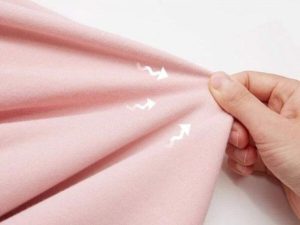
As the global fashion and textile industry undergoes a profound shift toward sustainability, natural fibers are re-emerging as a foundational solution to reduce dependence on petroleum-based synthetic materials. Beyond offering superior comfort and breathability, natural fibers represent a rare convergence of thousands of years of textile heritage with modern material science and manufacturing innovation.
This article provides a comprehensive, technically grounded overview of natural fibers, their classifications, key performance characteristics, and why they continue to play a vital role in the future of sustainable apparel.

What Are Natural Fibers? From Prehistoric Tools to Contemporary Fashion
Natural fibers are fibers that originate from plants or animals, formed through biological processes rather than chemical polymer synthesis. Unlike synthetic fibers, which are engineered from petrochemical monomers, natural fibers exist in nature as part of living organisms and are harvested and processed into textile materials.
Archaeological evidence from the Dzudzuana Cave in Georgia indicates that humans were already processing wild flax fibers between 30,000 and 36,000 years ago, making natural fibers among the earliest engineered materials in human history. From the linen garments of ancient Egypt to the refined silk textiles of imperial China, natural fibers dominated global textile production for millennia.
Although synthetic fibers such as nylon and polyester gained prominence from the 1930s onward due to their durability and scalability, environmental concerns—particularly pollution, microplastics, and fossil fuel dependence—have renewed interest in natural fibers as part of a more responsible textile economy.
Classification of Natural Fibers in Textile Applications
From a technical standpoint, natural fibers used in apparel are broadly classified according to their biological origin.
Plant Fibers (Cellulosic Fibers)
Plant fibers are primarily composed of cellulose, along with varying amounts of hemicellulose and lignin. They are further categorized based on the part of the plant from which they are extracted:
- Seed fibers: Cotton, kapok
- Bast fibers: Flax (linen), hemp, jute, ramie — known for high tensile strength and excellent moisture absorption
- Leaf fibers: Pineapple leaf fiber (PALF), sisal, banana fiber
- Fruit fibers: Coir (coconut fiber), typically used where rigidity is required
Animal Fibers (Protein Fibers)
Animal fibers are composed of proteins such as keratin or fibroin:
- Hair and fleece fibers: Wool (sheep), cashmere (goat), angora (rabbit), camel hair
- Silk: Extruded by silkworms during cocoon formation, producing continuous filaments with exceptional uniformity
The Four Pillar Natural Fibers of the Fashion Industry
Among the wide variety of natural fibers, four materials dominate global apparel production due to their balanced performance profiles.
Cotton – The Universal Comfort Fiber
Cotton is the most widely used natural fiber worldwide. Its soft hand feel, high breathability, and skin-friendly nature make it especially suitable for everyday wear and sensitive skin applications. The natural hollow structure of cotton fibers enhances airflow and moisture absorption, contributing to thermal comfort.
However, untreated cotton fabrics tend to wrinkle easily and may shrink if not properly finished or pre-treated.
Linen (Flax) – Refined Strength with a Natural Aesthetic
Derived from the flax plant, linen is one of the oldest textile fibers in recorded history. Linen fibers are exceptionally strong, dry quickly, and feel cool to the touch—attributes that make them ideal for warm and humid climates.
While linen wrinkles readily, this characteristic is often embraced as part of its relaxed, natural aesthetic in premium apparel and home textiles.
Wool – Nature’s Thermal Regulator
Wool fibers, primarily sourced from sheep, feature a unique scaly surface structure that provides natural elasticity, wrinkle resistance, and insulation. Wool is highly effective at regulating body temperature, keeping wearers warm in cold environments while remaining breathable due to its moisture-absorbing capacity.
An additional advantage is wool’s inherent flame resistance, as it chars rather than melts when exposed to heat.
Silk – The Benchmark of Luxury
Silk is widely regarded as the most luxurious natural fiber. Its triangular prism-like fiber structure reflects light at multiple angles, producing a distinctive natural luster. Despite its delicate appearance, silk has one of the highest tensile strengths among natural fibers.
Silk also exhibits excellent thermal adaptability—providing warmth in cooler conditions while remaining cool and breathable in warmer climates.
Key Performance Attributes of Natural Fibers
In apparel design, fabric performance is evaluated not only by appearance but also by wearer experience, often described as fabric “hand.”
- Moisture absorption: Most natural fibers, especially cellulosic fibers, are hydrophilic and readily absorb perspiration, enhancing comfort.
- Thermal behavior: Cotton and linen dissipate heat efficiently, while wool provides insulation due to low thermal conductivity.
- Static resistance: Natural fibers generate minimal static electricity compared to many synthetic materials, improving comfort and wearability.
- Skin compatibility: Natural fibers are widely recognized for their low irritation potential and suitability for sensitive skin.
Sustainability Perspective: Natural Fibers vs Synthetic Fibers
Environmental performance has become a defining factor in material selection Synthetic fibers such as polyester rely on energy-intensive petrochemical processes, consuming significant fossil energy and generating greenhouse gas emissions throughout their lifecycle. Natural fibers, by contrast, generally require less fossil-based energy during fiber formation but may involve other environmental trade-offs, such as water use, land use, or agricultural inputs.
Key sustainability advantages of natural fibers include:
- Biodegradability: At end-of-life, natural fibers can decompose biologically rather than persisting for centuries.
- Carbon uptake: Fiber-producing plants absorb CO₂ during growth, partially offsetting emissions.
- Microplastic avoidance: Unlike synthetic textiles, natural fibers do not release plastic microfibers during laundering.
- Circular economy potential: Agricultural by-products such as pineapple leaves or banana stems can be transformed into valuable textile fibers.
Emerging Trends: Fiber Blending and Bio-Innovatio
Modern textile manufacturing increasingly relies on fiber blends to optimize performance and cost efficiency. For example:
- Cotton–polyester blends balance comfort and durability.
- Polyester–rayon blends improve dimensional stability and drape.
In parallel, renewed interest in fibers such as hemp is driven by their rapid growth cycles and relatively low agricultural input requirements. Research into bio-based and low-impact fibers continues to expand the role of natural materials in advanced textile systems.
In the pursuit of optimizing both performance and sustainability, strategic fiber blending has emerged as a key solution. To achieve the perfect synergy in these blends—creating fabrics that are soft, breathable, durable, and stretchable—advanced covered yarn technology is essential.
At Tani Thread, we specialize in the production and export of high-quality covered yarns, with deep expertise in serving the U.S. apparel market. We help brands bridge the gap between the inherent comfort of natural fibers and the required high-performance stretch by providing customized yarn solutions that ensure quality, consistency, and sustainability.
Ready to elevate your next natural fiber blend? Contact Tani Thread‘s specialists to discuss your project and request yarn samples today.
Conclusion
Natural fibers are far more than traditional textile materials—they are the product of biological efficiency refined through centuries of human innovation. In an era increasingly defined by environmental accountability, choosing natural fibers is not merely an aesthetic or comfort-driven decision, but a strategic step toward a more sustainable textile ecosystem.
By understanding fiber origins, properties, and trade-offs, designers, manufacturers, and consumers alike can make informed choices that support both product performance and long-term environmental responsibility. Prioritizing natural fiber content is, ultimately, an investment in material quality, wearer well-being, and a more resilient future for the fashion industry.
TANI THREAD CO., LTD
- Address: Thanh Hoa Hamlet, Thanh Dien Commune, Chau Thanh District, Tay Ninh Province, Vietnam
- Hotline: 0984.841.239
- Email: sale@tanithread.com
- Website: tanithread.com
- Fanpage: Tani Thread