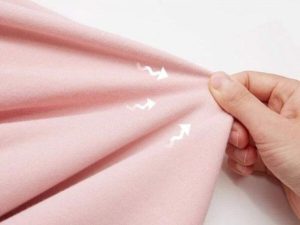
Textured yarns have become indispensable in modern textiles, celebrated for their unique structural qualities and exceptional versatility. Their rise to prominence stemmed from a clear industrial need: to transform smooth, synthetic filaments—which often felt slippery, cold, and artificial—into fibers that could mimic the desirable bulk, warmth, and softness of natural materials like wool and cotton.
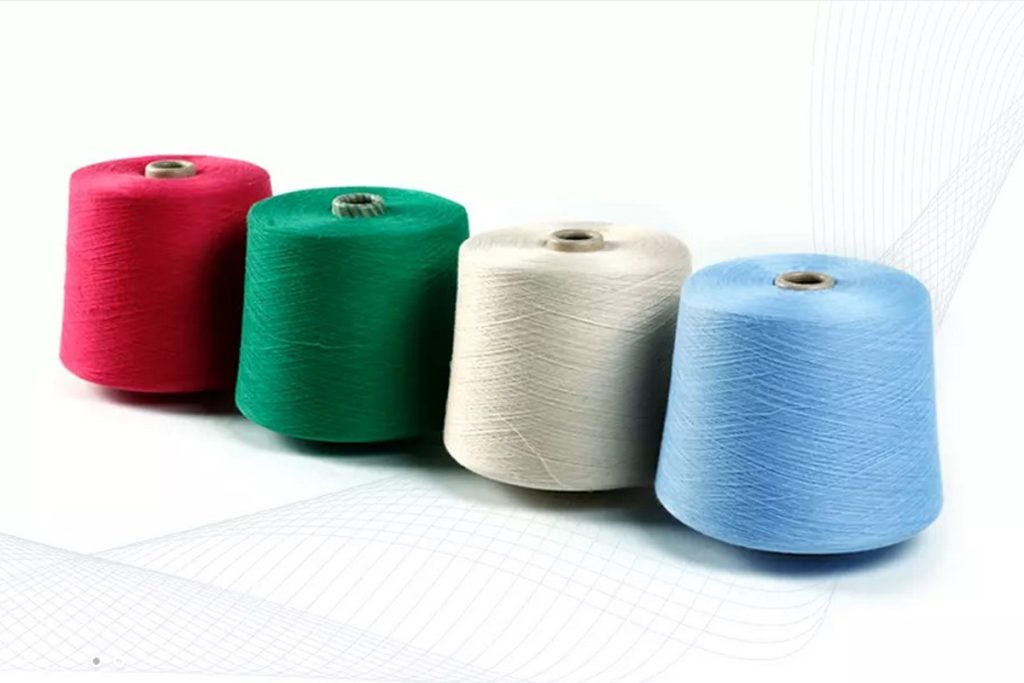
For anyone involved in textile development, understanding what textured yarns are, how they are categorized, and the specific benefits they offer is fundamental to making informed, strategic material choices that directly impact a product’s performance, aesthetics, and market success.
What are Textured Yarns? A Technical Definition
In essence, a textured yarn is a synthetic filament that has undergone a permanent physical or chemical modification to alter its fundamental structure. This is achieved through specialized processes—most commonly involving precise applications of heat, mechanical deformation, and cooling—that disrupt the original parallel alignment of the fibers. The result is a yarn with deliberate two-dimensional or three-dimensional crimps, coils, or loops along its axis.
Classification of Textured Yarns
Not all textured yarns are created equal. Depending on the manufacturing method and the desired level of stretch, these fibers can be classified into several distinct categories.
Classification Based on Bulk and Elastic Recovery
| Type of Yarn | Characteristics | Applications/Primary Characteristics |
| Stretched Yarn (Single Heater) | High extensibility and rapid recovery from extension; Low bulk. | Also known as high elastic yarn; primarily made of nylon filament; suitable for items like bodysuits. |
| Modified Stretched Yarn (Double Heater) | Moderate extensibility and bulk. | Also known as low stretch yarn; mainly made of polyester filament; used as ordinary clothing, offering a soft touch. |
| Bulked Yarn | High bulk; Low extensibility and recovery from extension. | More suitable for home furnishing. |
Classification Based on Process Type
| Type of Process | Description | Examples |
| Mechanical Texturising | Involves only mechanical processes to create the textured structure. | Air Jet Texturing. |
| Thermomechanical Texturising | Yarns are textured through the application of heat and mechanical action. | False Twist Draw Texturing, Edge Crimping, Gear Crimping, Knit-de-Knit, Stuffer Box Crimping. |
Key Benefits of Textured Yarns
Textured yarns provide distinct advantages that enhance both the performance and aesthetics of fabrics.
- Increased Bulk and Loft: They create a thicker, fuller appearance, providing a plush, soft, and luxurious feel.
- Improved Warmth: The added bulk and loft provide extra insulation, making them a great choice for cold-weather clothing.
- Improved Elasticity and Shape Retention: These yarns can stretch and bounce back to their original shape effectively, making them ideal for activewear and stretchable garments.
- Enhanced Cover (Opacity): Textured yarns can hide the underlying fabric structure more completely, which is useful for ensuring the garment isn’t see-through.
- Reduced Wrinkling: Certain textured yarns are less prone to wrinkling, helping maintain the garment’s appearance with minimal ironing or pressing.
- Enhanced Aesthetic Appeal: They can create various visual effects such as patterns, loops, or crinkles, adding uniqueness and visual interest to the fabric.
- Improved Comfort: The presence of many pores in the yarn improves air permeability and moisture storage.
Conclusion
Textured yarns successfully bridge the gap between synthetic efficiency and natural fiber appeal. They overcome the classic drawbacks of flat synthetics—such as a cold, slippery, and non-absorbent handfeel—by combining the durability, strength, and easy-care properties of materials like polyester with the coveted bulk, warmth, and softness of wool or cotton. Today, the technology focuses on precisely simulating the aesthetic and tactile qualities of luxury natural fabrics, making textured yarns an indispensable tool for creating high-performance, comfortable, and desirable textiles.
TANI THREAD CO., LTD
- Address: Thanh Hoa Hamlet, Thanh Dien Commune, Chau Thanh District, Tay Ninh Province, Vietnam
- Hotline: 0984.841.239
- Email: sale@tanithread.com
- Website: tanithread.com
- Fanpage: Tani Thread