Selecting the right knitting yarn is often the most intimidating step for beginners, yet it is also the most decisive factor in the success of any fiber arts project. Whether browsing a wall of colorful skeins in a store or scrolling through endless online options, the variety of yarn weights, fibers, and textures can be overwhelming.
This in-depth guide to types of knitting yarn will help you confidently navigate yarn labels, understand standard weight systems, explore natural and synthetic fibers, and choose the most suitable yarn for your next project.
Knitting Yarn Basics: How to Read Yarn Labels Correctly
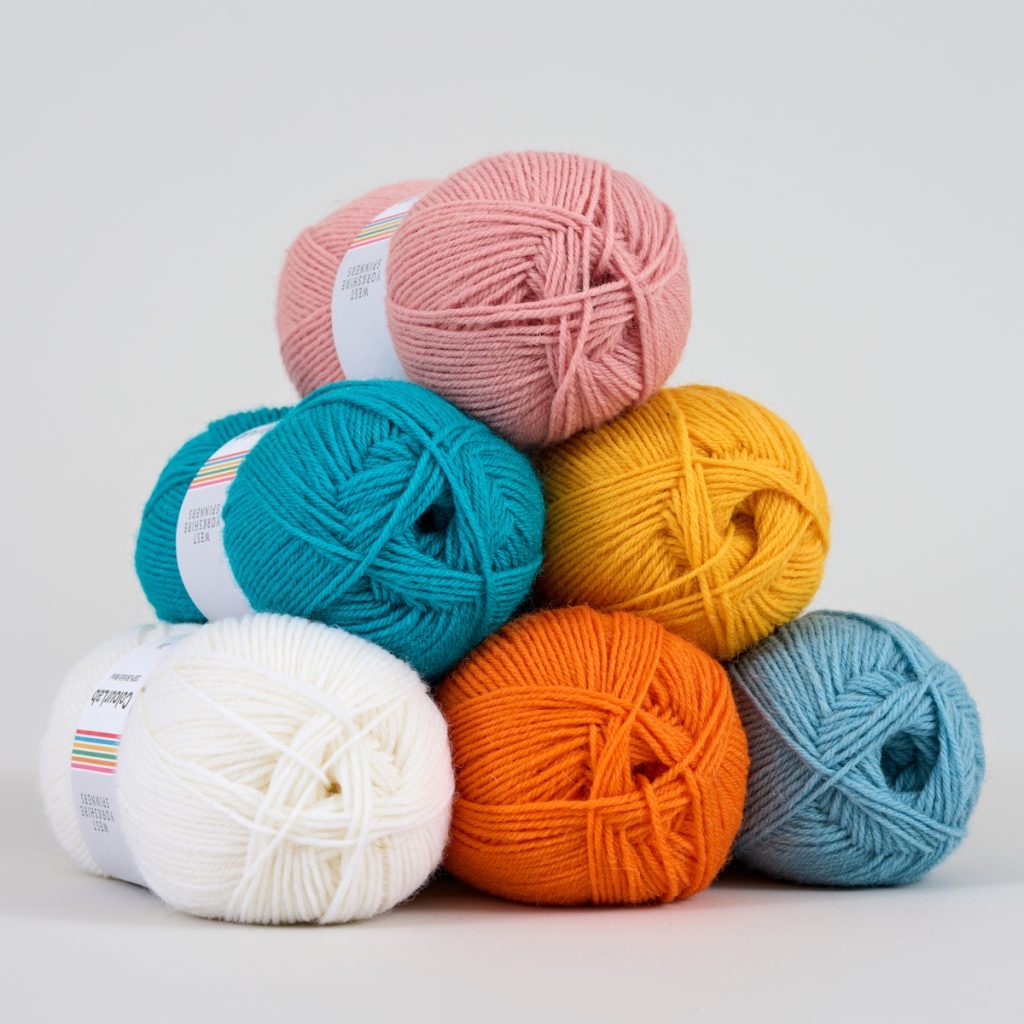
Before casting on your first stitch, learning how to read a yarn label is essential. A yarn label functions as a passport for each skein, providing critical information about fiber content, yarn weight, yardage, and recommended needle or hook sizes.
Experienced knitters evaluate yarn based on four fundamental characteristics.
- Fiber Content: What the yarn is made of (e.g., sheep’s wool, cotton, or bamboo), which dictates the drape, warmth, and care requirements.
- Yarn Weight: The thickness of the individual strand, which determines the final “look” and “feel” of the garment.
- Texture: The physical surface of the yarn, ranging from smooth and shiny to fuzzy or bumpy.
- Color: The aesthetic appearance, including solid shades, variegated patterns, or gradual gradients.
Understanding these elements allows knitters to make informed choices and avoid mismatching yarn with a pattern.
Yarn Weight Categories
In knitting terminology, “weight” refers to yarn thickness rather than physical heaviness. Yarn weight plays a critical role in determining gauge, stitch size, and the final drape of a garment. In the U.S. and many international markets, knitting yarn is classified using a standardized scale from 0 to 7.
- 0: Lace: The thinnest weight, perfect for delicate shawls and doilies.
- 1: Superfine (Fingering): Ideal for socks and lightweight accessories.
- 2: Fine (Sport): Great for baby garments and light sweaters.
- 3: Light (DK – Double Knitting): A versatile weight often used for hats and scarves.
- 4: Medium (Worsted/Aran): The most common weight, perfect for beginners and standard sweaters.
- 5: Bulky: Thick and warm, suitable for chunky scarves.
- 6: Super Bulky: Works up very quickly for cozy blankets.
- 7: Jumbo: The thickest category, used for arm-knitting and home decor.
Using a bulkier yarn than recommended in a pattern will result in a denser, larger item. Conversely, a finer yarn produces a higher gauge with more stitches per inch. If you wish to achieve a looser knit without changing yarn, you can simply switch to larger needles; for a tighter knit, use smaller diameters.
Types of Yarn by Fiber Content
Beyond thickness, fiber content defines how a knitted piece feels, wears, and ages over time. The choice of fiber influences warmth, breathability, elasticity, durability of the fabric.
Animal-Based Natural Fibers
Animal fibers are prized for their natural insulation, elasticity, and moisture-regulating properties, making them ideal for garments worn close to the body.
- Wool: Wool is a classic choice for sweaters and winter accessories due to its ability to retain warmth while remaining breathable. Varieties such as Merino are valued for softness, while Icelandic wool offers exceptional durability and weather resistance.
- Luxury Animal Fibers: Alpaca is lightweight and naturally hypoallergenic, making it suitable for sensitive skin. Cashmere and mohair add softness and visual richness, with mohair known for its airy halo. Silk, though smooth and less elastic, contributes elegance, strength, and sheen to blended or standalone yarns.
Plant-Based Natural Fibers
Plant-based fibers are breathable and cool to the touch, making them especially suitable for warm climates and summer garments.
- Cotton: Cotton yarn is durable, soft, and highly absorbent, which makes it ideal for baby clothes, towels, and kitchen items. However, its lack of elasticity means stitches remain visible, offering less forgiveness for uneven tension.
- Linen & Hemp: Linen and hemp are strong, crisp fibers that soften significantly with wear and washing. They create structured fabrics with excellent breathability, often chosen for minimalist or long-lasting garments.
- Bamboo: Bamboo yarn is smooth, silky, and naturally lustrous, offering a luxurious feel. Its drape makes it suitable for flowing garments, though it often benefits from blending to improve durability and elasticity.
Synthetic Fibers
Synthetic yarns are valued for affordability, durability, and easy care, making them practical for everyday projects.
- Acrylic: Acrylic yarn is lightweight, budget-friendly, and machine washable. While it lacks breathability compared to natural fibers, it is commonly used for blankets, toys, and beginner projects.
- Polyester & Nylon: These fibers are frequently blended with natural yarns to enhance strength and elasticity. Nylon, in particular, is essential in sock yarns, where abrasion resistance is critical.
Blended Yarns
Blended yarns combine fibers to balance performance and comfort. A wool-nylon blend, for example, delivers warmth with added durability, making it ideal for socks and high-wear garments. Acrylic-wool blends offer softness and warmth while remaining easy to care for and more affordable than pure natural fibers.
Specialty Yarns
Novelty yarns introduce unique textures and visual effects. Chenille offers plush softness, bouclé adds dimension through loops, and metallic or ribbon yarns create bold accents. While visually striking, these yarns can obscure stitches and require more experience to work with effectively.
Yarn Color Types
The visual impact of a knitting project is strongly influenced by how the yarn is dyed, not just the pattern or stitch technique used. Yarn color affects stitch visibility, texture perception, and even how complex a design appears once completed. Understanding different yarn color types helps knitters choose the most suitable option for both aesthetic goals and technical clarity.
- Solid & Semi-solid: These yarns are dyed in a single color, with semi-solid versions showing slight tonal variation. They are best for showcasing stitch patterns like cables or lace and are easy to work with, especially for beginners.
- Variegated: Variegated yarns contain multiple colors that change irregularly along the strand. They add visual interest to simple stitches but can obscure detailed patterns due to frequent color shifts.
- Ombre & Gradient: Ombre and gradient yarns transition smoothly between shades. They create a flowing, harmonious look and are ideal for larger projects where gradual color changes can be fully appreciated.
- Self-Striping: Self-striping yarns change color at fixed intervals, forming stripes automatically as you knit. They are commonly used for socks and accessories, adding structure and visual rhythm without extra design work.
Understanding Dye Lots
Most yarn is dyed in batches called “dye lots”. Because it is difficult to perfectly replicate a shade across different batches, subtle variations can occur. Always buy enough yarn for your entire project from the same dye lot number to avoid visible color lines in your finished work.
Yarn Construction: Spinning, Singles, and Ply
Yarn is created by “spinning” natural or synthetic fibers into long strands. When these single strands (called “singles”) are twisted together, they form “plied” yarn. The terms 2-ply, 3-ply, and 4-ply refer to the number of single strands twisted together. Generally, more plies result in a smoother, stronger yarn with better stitch definition. Fewer plies create a softer, more “rustic” appearance.
Note: Historically, “ply” was used to describe yarn weight in some countries, but this is increasingly replaced by the 0-7 scale to avoid confusion, as a 4-ply yarn is not always thicker than a 3-ply.
How to Choose the Right Knitting Yarn for Your Project
- Follow the Pattern: When working with a knitting pattern, the designer’s yarn recommendation should be your first reference point. Patterns are developed using a specific yarn weight and fiber behavior, which directly affects stitch size, drape, and fit.
- Consider Use: Different fibers perform differently in everyday use: cotton works well for summer garments and dishcloths due to its breathability and absorbency, while wool excels in cold-weather accessories because of its warmth and elasticity. For items that require frequent washing, such as blankets or children’s clothing, easy-care yarns like acrylic or blends can be more practical. Choosing yarn based on real-life function ensures the final piece is both comfortable and durable.
- Skill Level Advice: Your level of knitting experience should also influence your yarn choice. Beginners benefit most from smooth, light-colored yarns in medium (worsted) weight, as they clearly show stitch definition and make mistakes easier to spot and correct. Highly textured or novelty yarns may look attractive, but they often hide stitches and complicate learning. As skills improve, experimenting with new fibers and textures becomes more enjoyable and allows for greater creative freedom.
Conclusion
Choosing the right knitting yarn is a balance of technical understanding and creative intent. By recognizing how yarn weight, fiber content, structure, and color influence fabric performance and appearance, knitters can make informed decisions that lead to better-fitting, longer-lasting projects. A solid grasp of these fundamentals not only improves results but also builds confidence, allowing makers to adapt patterns and materials with precision and purpose.
TANI THREAD CO., LTD
- Address: Thanh Hoa Hamlet, Thanh Dien Commune, Chau Thanh District, Tay Ninh Province, Vietnam
- Hotline: 0984.841.239
- Email: sale@tanithread.com
- Website: tanithread.com
- Fanpage: Tani Thread